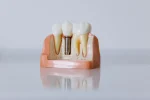


How long can a dental implant, bridge, or denture last? A dental implant can last many years and, with good care, may last longer than a dental bridge or denture. However, there is no fixed lifespan for any tooth replacement. A dentist in SW Calgary can assess your oral health and explain which option may suit your needs. Dental implants are placed into the jaw to support a replacement tooth, while bridges and dentures replace missing teeth without being placed into the jawbone in the same way. The expected lifespan depends on oral hygiene, daily habits, the condition of the supporting teeth or bone, and regular dental care.
How Long Can Dental Implants Last?
Dental implants are made to replace missing teeth for the long term. With proper care and healthy gums and bone, the implant can stay in the jaw for many years.
The replacement tooth attached to the implant may wear out or need repair before the implant does. Several factors can affect how long an implant lasts, including:
- Daily brushing and flossing
- Gum health
- Smoking or tobacco use
- Teeth grinding or clenching
- The quality of the implant placement and restoration
- Regular dental checkups
A dentist near you can monitor the implant, gums, and surrounding teeth during routine visits.
How Long Does a Dental Bridge Usually Last?
A dental bridge fills a gap left by missing teeth using nearby teeth or dental implants for support. With good oral care, it can work well for many years, although repairs or replacement may be needed over time.
The supporting teeth are especially important because problems affecting them can also affect the bridge.
Bridge lifespan may be influenced by:
- How well the supporting teeth are maintained
- Oral hygiene around the bridge
- Gum health
- Bite pressure
- The type and condition of the bridge
- Regular dental care
Unlike an implant, a traditional bridge depends on other teeth for support.
How Long Do Dentures Usually Last?
Dentures are removable dental appliances used to replace several or all missing teeth. They can help with chewing and improve the look of your smile, but they may need to be replaced over time.
As your gums and jawbone naturally change, your dentures may no longer fit as well as they once did. In such cases, they may need an adjustment, relining, or replacement.
A dentist in SW Calgary can check the fit and condition of dentures and determine whether they still provide suitable support.
Which Option Usually Lasts the Longest?
When comparing expected lifespan, dental implants often have the potential to last longer than bridges or dentures. However, this does not mean an implant will automatically last longer in every situation.
Each option can last for a different amount of time:
- Dental implant: The implant can support your replacement tooth for a long time, but the crown may need care or replacement over time.
- Dental bridge: A bridge can last for many years if the supporting teeth and gums stay healthy.
- Denture: Dentures may require adjustment or replacement as the mouth changes over time.
A dentist near you can compare these choices based on the condition of your mouth rather than lifespan alone.
What Can Shorten the Life of a Tooth Replacement?
Daily habits and oral health can affect how long any tooth replacement remains useful. Poor cleaning can allow plaque and bacteria to build up around teeth, gums, bridges, or implants.
Other factors may include:
- Untreated gum disease
- Frequent sugary foods and drinks
- Smoking or tobacco use
- Grinding or clenching the teeth
- Skipping dental checkups
- Poor denture care
- Delaying treatment when a problem appears
Taking care of the surrounding teeth and gums is important regardless of which replacement option is chosen.
Is an Implant Always the Better Choice?
Not necessarily. Dental implants can offer long-term support, but they require suitable bone and healthy surrounding tissues. They also involve a surgical procedure and may require a longer treatment process than some other options.
Bridges or dentures may be appropriate depending on the number of missing teeth, oral health, budget, treatment preferences, and overall needs.
A dentist in SW Calgary can explain the advantages and limitations of each option before treatment begins.
How Can You Help Your Dental Replacement Last Longer?
Good daily care can support the health of your mouth and help protect your tooth replacement.
Helpful habits include:
- Brush twice a day with fluoride toothpaste.
- Clean between your teeth every day.
- Follow the cleaning instructions for bridges or dentures.
- Avoid using teeth to open packages or bite hard objects.
- Wear a recommended night guard if teeth grinding is a concern.
- Attend regular dental examinations.
- Report looseness, discomfort, cracks, or changes in fit promptly.
Regular professional care also makes it easier to identify problems before they become more serious.
Ready to Choose a Tooth Replacement That Fits Your Needs?
Understanding the expected lifespan, care requirements, and limitations of each option can help you make a more informed decision about replacing missing teeth. Book an appointment with Heritage Park Dental to discuss your oral health, compare your tooth replacement options, and create a treatment plan suited to your needs and long-term goals.